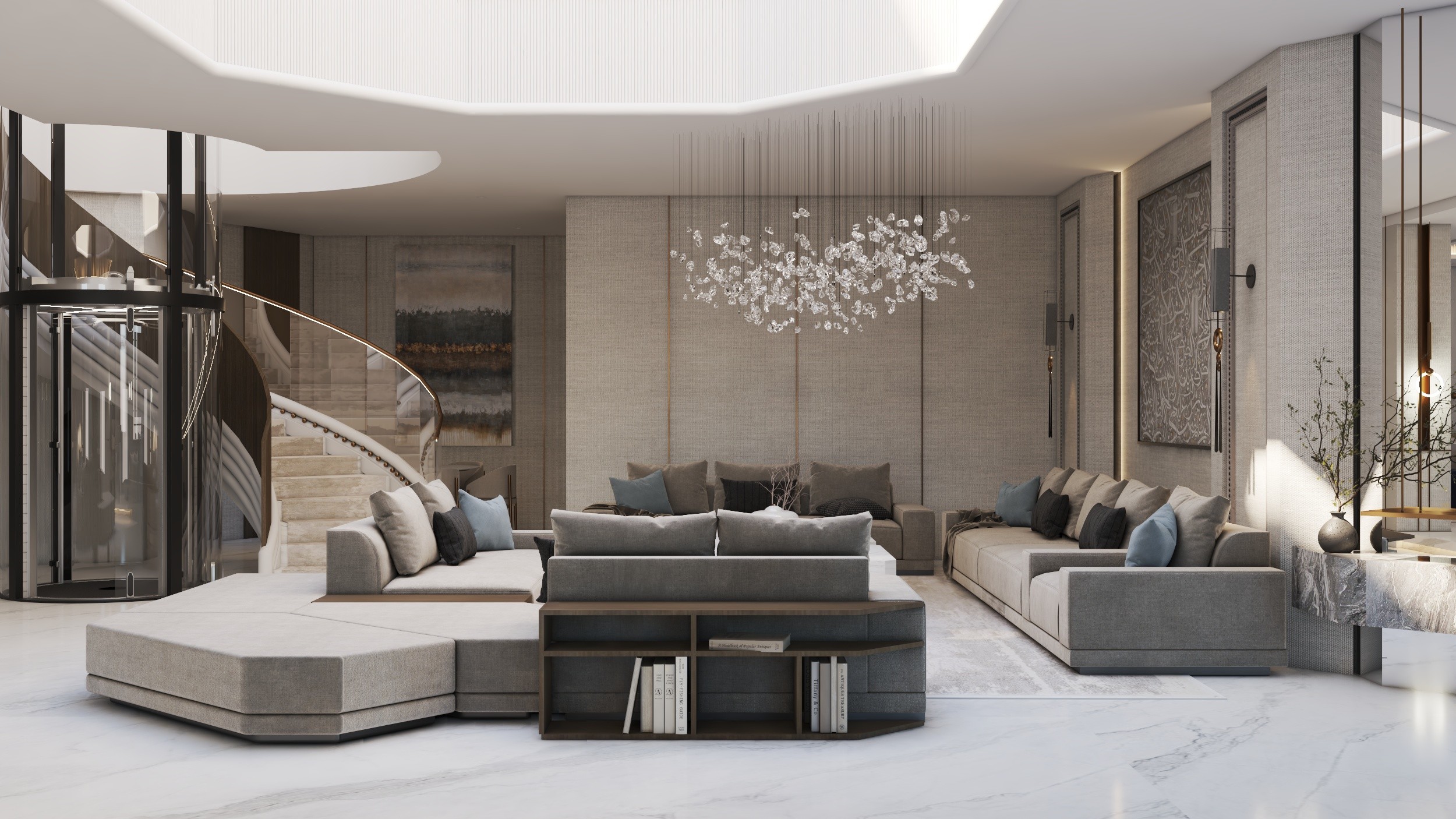
Expert Scoop: A Dubai Interior Designer's Guide to Home Decor That Actually Works
Expert Scoop: A Dubai Interior Designer's Guide to Home Decor That Actually Works
Get 7 expert tips, cost-saving advice, and design ideas you can use today.
Get 7 expert tips, cost-saving advice, and design ideas you can use today.
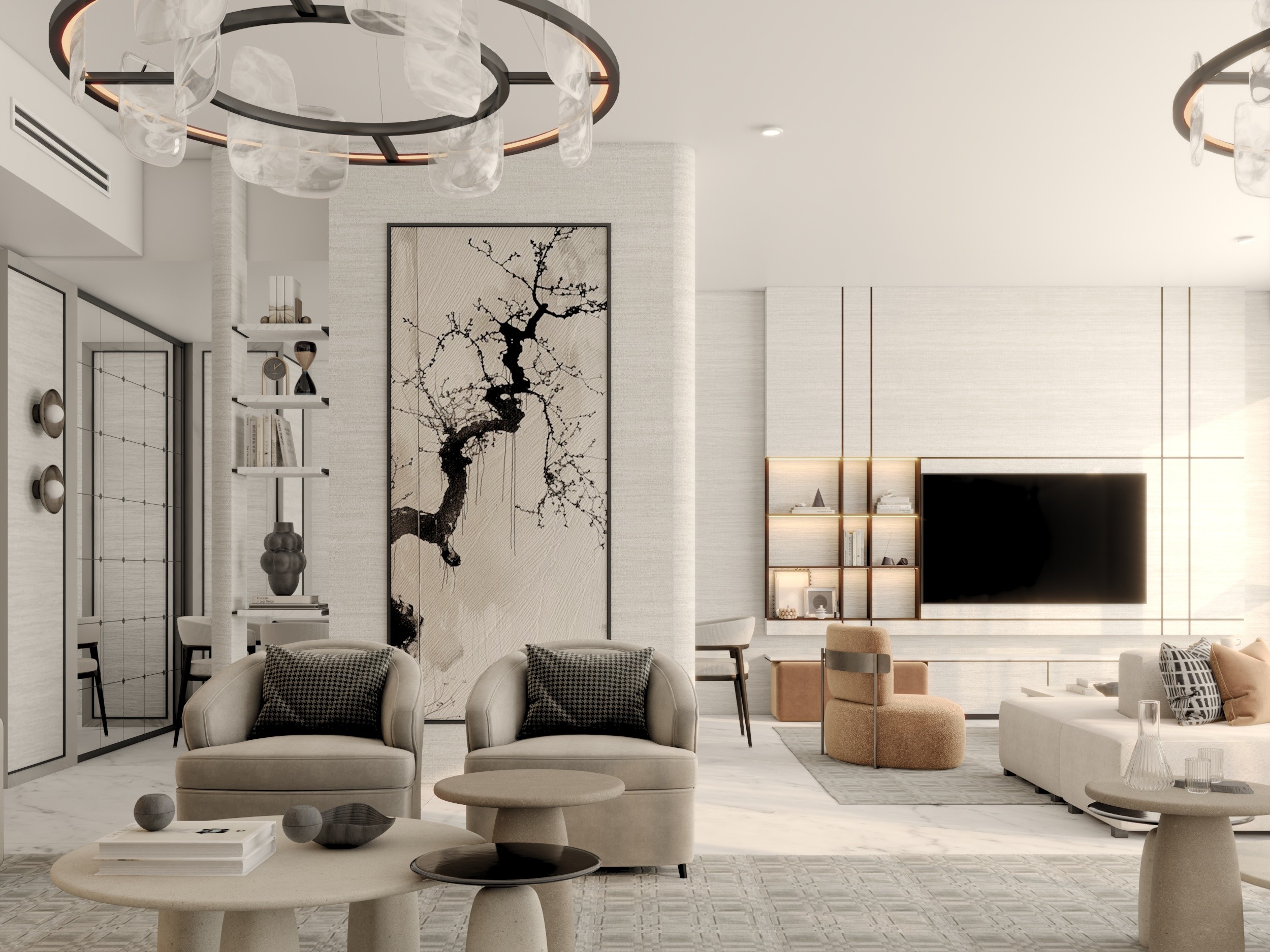
You want a home that feels stylish, comfortable, and uniquely yours. But scrolling through endless home decor inspiration online often leads to more confusion than clarity. Endless pins, conflicting advice, and generic tips rarely translate to your actual space. Will that color palette work in your Dubai apartment? Does that furniture scale fit your living room? And how do you avoid costly mistakes that leave your space feeling disjointed?
We asked Hunaida, Co-founder and Creative Director of ETCH Group, to cut through the noise. Her advice? Stop chasing generic decorating ideas and start designing with intention. Here is what actually works for home interior design in Dubai.
Meet the Expert
Hunaida is the Co-founder and Creative Director of ETCH Group, an independent interior design and fit-out studio in Dubai. The full range of services includes design, renovation, and fit-out under one roof. She leads the creative vision for every project, combining strategic thinking with refined design to deliver spaces that are both beautiful and functional.
7 Home Decor Ideas That Actually Work in Dubai
Generic home decoration ideas often fail because they ignore how real people live. Hunaida shared seven principles that guide every ETCH Group project.
1. Start with Function, Not Furniture
Before selecting a single piece, understand how you actually use each room. Do you entertain frequently? Work from home? Have young children or pets? Function drives every design decision. When you prioritize how a space needs to perform, the right furniture choices become obvious.
2. Invest in Lighting First
Dubai homes receive intense natural light, which changes dramatically throughout the day. Many homeowners overlook this advantage. Layer your lighting with ambient, task, and accent sources. Add dimmers to control mood. Use mirrors strategically to reflect light and make rooms feel larger. Proper lighting transforms a space more effectively than any single furniture piece.
3. Choose a Palette, Not Individual Colors
When exploring interior design ideas for your Dubai home, one of the most common home interior design mistakes is selecting colors piece by piece. Instead, commit to a cohesive palette of three to five colors. Apply your dominant color to walls and large furniture. Use secondary colors for upholstery and curtains. Reserve accent colors for pillows, art, and decorative objects. This approach creates harmony without requiring everything to match perfectly.
4. Scale Matters: Don't Overstuff Dubai Apartments
Many Dubai apartments have compact footprints. Oversized sofas, massive coffee tables, and bulky wardrobes overwhelm these spaces. Measure every dimension before purchasing. Leave walking paths clear. Choose furniture with exposed legs to create visual lightness. In smaller rooms, one well-proportioned statement piece delivers more impact than several crowded items.
5. Texture Over Trends
Trends fade. Texture endures. Mixing materials like linen, velvet, wood, metal, and stone adds depth and warmth without relying on bold patterns that may feel dated next year. A neutral room with varied textures feels intentional and luxurious. A trendy room with flat surfaces feels shallow.
6. One Statement Piece Per Room
Strong home design ideas start with restraint. Resist the urge to fill every corner with decor. Select one standout element per space: a sculptural light fixture, a large-scale artwork, or an accent chair in a striking fabric. Let that piece command attention. Everything else should support, not compete with, it. This principle alone elevates most home design ideas from chaotic to curated.
7. Know When to Call a Professional
Professional interior design ideas are valuable when your project involves complex layouts, structural changes, or full-home renovations. This is where professional home interior design ideas move from aspirational to achievable. A skilled designer turns your vision into a detailed, executable plan.
A professional interior designer brings construction expertise, vendor relationships, and project management skills that save time and prevent expensive errors. Recognizing your limits is not a weakness—it is smart decision-making.
Where to Invest vs. Where to Save in Home Interior Design
Not every element of your home requires the same budget commitment. Professional interior designers follow a simple rule: invest in pieces that endure, save on items that are easily swapped.
Invest here:
Sofas and dining chairs – Daily use demands quality construction. A well-built sofa lasts ten years or more. A cheap one sags within two.
Lighting fixtures – Good design transforms a room and lasts decades. Statement pendants, chandeliers, and sconces hold their value and their beauty.
Flooring – Expensive to replace, worth doing right once. Hardwood, quality tiles, and professional installation pay off every single day.
Save here:
Throw pillows and blankets – Easily updated when trends change or seasons shift. Affordable retailers and local markets offer endless options.
Decorative accessories – Vintage finds, flea market discoveries, and budget-friendly shops work beautifully. Personality does not require a high price tag.
Paint – A fresh coat delivers high impact at low cost. Color transforms a room more dramatically than almost anything else, and it is one of the most affordable changes you can make.
Strategic spending, not a big budget, creates a home that looks and feels custom. The goal is not to spend more. The goal is to spend where it matters most.
The Hidden Cost of Skipping Professional Interior Design Ideas
Attempting home interior design without professional guidance carries risks that extend beyond aesthetics.
Poor space planning leads to furniture that does not fit or flow that feels awkward.
Incorrect lighting choices make rooms feel harsh or gloomy.
Mismatched scales create visual chaos.
Material mistakes result in surfaces that stain, fade, or wear poorly in Dubai's climate.
Budget overruns happen when homeowners purchase pieces that do not work together and need replacement.
These errors are not merely frustrating—they are expensive. Professional interior design prevents them before they occur.
Why ETCH Group is Dubai's Trusted Choice for Home Interior Design
ETCH Group combines interior design, renovation, and fit-out services under one roof. This integrated approach means your vision moves seamlessly from concept to completion without the friction of coordinating multiple vendors.
End-to-end services eliminate gaps in responsibility.
Renovation expertise ensures structural changes align with design intent.
Fit-out capabilities deliver custom joinery, finishes, and installations to exact specifications.
A growing portfolio of Dubai projects demonstrates proven results across villas and apartments.
When you choose ETCH Group, you are not hiring a decorator. You are engaging a full-service design studio that takes pride in detail and execution.
Explore completed work on the projects page or learn more about the interior design process.
Quick Answers to Your Home Interior Design Questions
How do I start a home interior design project in Dubai?
Begin by defining your goals, budget, and timeline. Then contact a studio like ETCH Group for an initial consultation. A designer will assess your space, understand your needs, and propose a path forward.
What is the difference between decorating and interior design?
Decorating focuses on surface-level aesthetics—furniture, colors, accessories. Interior design encompasses space planning, construction, lighting, materials, and functionality. Interior designers often hold technical credentials that decorators do not.
Can ETCH Group help with both villas and apartments?
Yes. The team has experience across all property types in Dubai, from studio apartments to large luxury villas. Each project receives the same attention to detail regardless of size.
How long does a typical project take?
Timelines vary by scope. A single-room design might take four to six weeks. A full-home design with fit-out can range from three to nine months. Your designer will provide a clear schedule before work begins.
Transform Your Home with Professional Home Decor Inspiration
Generic home inspiration found online rarely accounts for your specific space, lifestyle, or budget. Real results come from thoughtful design decisions guided by expertise. Use those ideas as a starting point, not a blueprint.
Hunaida and the ETCH Group team bring decades of combined experience to every project. From initial concept through final installation, they deliver interiors that are both refined and resolutely functional. Ready to create a home that actually works for you? Contact ETCH Group to schedule a consultation. Call or fill out the inquiry form to start the conversation.

Hunaida
Co-founder | Creative Director, ETCH Group
Hunaida leads the creative vision at ETCH Group, a Dubai-based interior design and fit-out studio. She combines strategic thinking with refined design to create spaces that align with each client's vision and values.
You want a home that feels stylish, comfortable, and uniquely yours. But scrolling through endless home decor inspiration online often leads to more confusion than clarity. Endless pins, conflicting advice, and generic tips rarely translate to your actual space. Will that color palette work in your Dubai apartment? Does that furniture scale fit your living room? And how do you avoid costly mistakes that leave your space feeling disjointed?
We asked Hunaida, Co-founder and Creative Director of ETCH Group, to cut through the noise. Her advice? Stop chasing generic decorating ideas and start designing with intention. Here is what actually works for home interior design in Dubai.
Meet the Expert
Hunaida is the Co-founder and Creative Director of ETCH Group, an independent interior design and fit-out studio in Dubai. The full range of services includes design, renovation, and fit-out under one roof. She leads the creative vision for every project, combining strategic thinking with refined design to deliver spaces that are both beautiful and functional.
7 Home Decor Ideas That Actually Work in Dubai
Generic home decoration ideas often fail because they ignore how real people live. Hunaida shared seven principles that guide every ETCH Group project.
1. Start with Function, Not Furniture
Before selecting a single piece, understand how you actually use each room. Do you entertain frequently? Work from home? Have young children or pets? Function drives every design decision. When you prioritize how a space needs to perform, the right furniture choices become obvious.
2. Invest in Lighting First
Dubai homes receive intense natural light, which changes dramatically throughout the day. Many homeowners overlook this advantage. Layer your lighting with ambient, task, and accent sources. Add dimmers to control mood. Use mirrors strategically to reflect light and make rooms feel larger. Proper lighting transforms a space more effectively than any single furniture piece.
3. Choose a Palette, Not Individual Colors
When exploring interior design ideas for your Dubai home, one of the most common home interior design mistakes is selecting colors piece by piece. Instead, commit to a cohesive palette of three to five colors. Apply your dominant color to walls and large furniture. Use secondary colors for upholstery and curtains. Reserve accent colors for pillows, art, and decorative objects. This approach creates harmony without requiring everything to match perfectly.
4. Scale Matters: Don't Overstuff Dubai Apartments
Many Dubai apartments have compact footprints. Oversized sofas, massive coffee tables, and bulky wardrobes overwhelm these spaces. Measure every dimension before purchasing. Leave walking paths clear. Choose furniture with exposed legs to create visual lightness. In smaller rooms, one well-proportioned statement piece delivers more impact than several crowded items.
5. Texture Over Trends
Trends fade. Texture endures. Mixing materials like linen, velvet, wood, metal, and stone adds depth and warmth without relying on bold patterns that may feel dated next year. A neutral room with varied textures feels intentional and luxurious. A trendy room with flat surfaces feels shallow.
6. One Statement Piece Per Room
Strong home design ideas start with restraint. Resist the urge to fill every corner with decor. Select one standout element per space: a sculptural light fixture, a large-scale artwork, or an accent chair in a striking fabric. Let that piece command attention. Everything else should support, not compete with, it. This principle alone elevates most home design ideas from chaotic to curated.
7. Know When to Call a Professional
Professional interior design ideas are valuable when your project involves complex layouts, structural changes, or full-home renovations. This is where professional home interior design ideas move from aspirational to achievable. A skilled designer turns your vision into a detailed, executable plan.
A professional interior designer brings construction expertise, vendor relationships, and project management skills that save time and prevent expensive errors. Recognizing your limits is not a weakness—it is smart decision-making.
Where to Invest vs. Where to Save in Home Interior Design
Not every element of your home requires the same budget commitment. Professional interior designers follow a simple rule: invest in pieces that endure, save on items that are easily swapped.
Invest here:
Sofas and dining chairs – Daily use demands quality construction. A well-built sofa lasts ten years or more. A cheap one sags within two.
Lighting fixtures – Good design transforms a room and lasts decades. Statement pendants, chandeliers, and sconces hold their value and their beauty.
Flooring – Expensive to replace, worth doing right once. Hardwood, quality tiles, and professional installation pay off every single day.
Save here:
Throw pillows and blankets – Easily updated when trends change or seasons shift. Affordable retailers and local markets offer endless options.
Decorative accessories – Vintage finds, flea market discoveries, and budget-friendly shops work beautifully. Personality does not require a high price tag.
Paint – A fresh coat delivers high impact at low cost. Color transforms a room more dramatically than almost anything else, and it is one of the most affordable changes you can make.
Strategic spending, not a big budget, creates a home that looks and feels custom. The goal is not to spend more. The goal is to spend where it matters most.
The Hidden Cost of Skipping Professional Interior Design Ideas
Attempting home interior design without professional guidance carries risks that extend beyond aesthetics.
Poor space planning leads to furniture that does not fit or flow that feels awkward.
Incorrect lighting choices make rooms feel harsh or gloomy.
Mismatched scales create visual chaos.
Material mistakes result in surfaces that stain, fade, or wear poorly in Dubai's climate.
Budget overruns happen when homeowners purchase pieces that do not work together and need replacement.
These errors are not merely frustrating—they are expensive. Professional interior design prevents them before they occur.
Why ETCH Group is Dubai's Trusted Choice for Home Interior Design
ETCH Group combines interior design, renovation, and fit-out services under one roof. This integrated approach means your vision moves seamlessly from concept to completion without the friction of coordinating multiple vendors.
End-to-end services eliminate gaps in responsibility.
Renovation expertise ensures structural changes align with design intent.
Fit-out capabilities deliver custom joinery, finishes, and installations to exact specifications.
A growing portfolio of Dubai projects demonstrates proven results across villas and apartments.
When you choose ETCH Group, you are not hiring a decorator. You are engaging a full-service design studio that takes pride in detail and execution.
Explore completed work on the projects page or learn more about the interior design process.
Quick Answers to Your Home Interior Design Questions
How do I start a home interior design project in Dubai?
Begin by defining your goals, budget, and timeline. Then contact a studio like ETCH Group for an initial consultation. A designer will assess your space, understand your needs, and propose a path forward.
What is the difference between decorating and interior design?
Decorating focuses on surface-level aesthetics—furniture, colors, accessories. Interior design encompasses space planning, construction, lighting, materials, and functionality. Interior designers often hold technical credentials that decorators do not.
Can ETCH Group help with both villas and apartments?
Yes. The team has experience across all property types in Dubai, from studio apartments to large luxury villas. Each project receives the same attention to detail regardless of size.
How long does a typical project take?
Timelines vary by scope. A single-room design might take four to six weeks. A full-home design with fit-out can range from three to nine months. Your designer will provide a clear schedule before work begins.
Transform Your Home with Professional Home Decor Inspiration
Generic home inspiration found online rarely accounts for your specific space, lifestyle, or budget. Real results come from thoughtful design decisions guided by expertise. Use those ideas as a starting point, not a blueprint.
Hunaida and the ETCH Group team bring decades of combined experience to every project. From initial concept through final installation, they deliver interiors that are both refined and resolutely functional. Ready to create a home that actually works for you? Contact ETCH Group to schedule a consultation. Call or fill out the inquiry form to start the conversation.
Hunaida
Co-founder | Creative Director, ETCH Group
Hunaida leads the creative vision at ETCH Group, a Dubai-based interior design and fit-out studio. She combines strategic thinking with refined design to create spaces that align with each client's vision and values.